


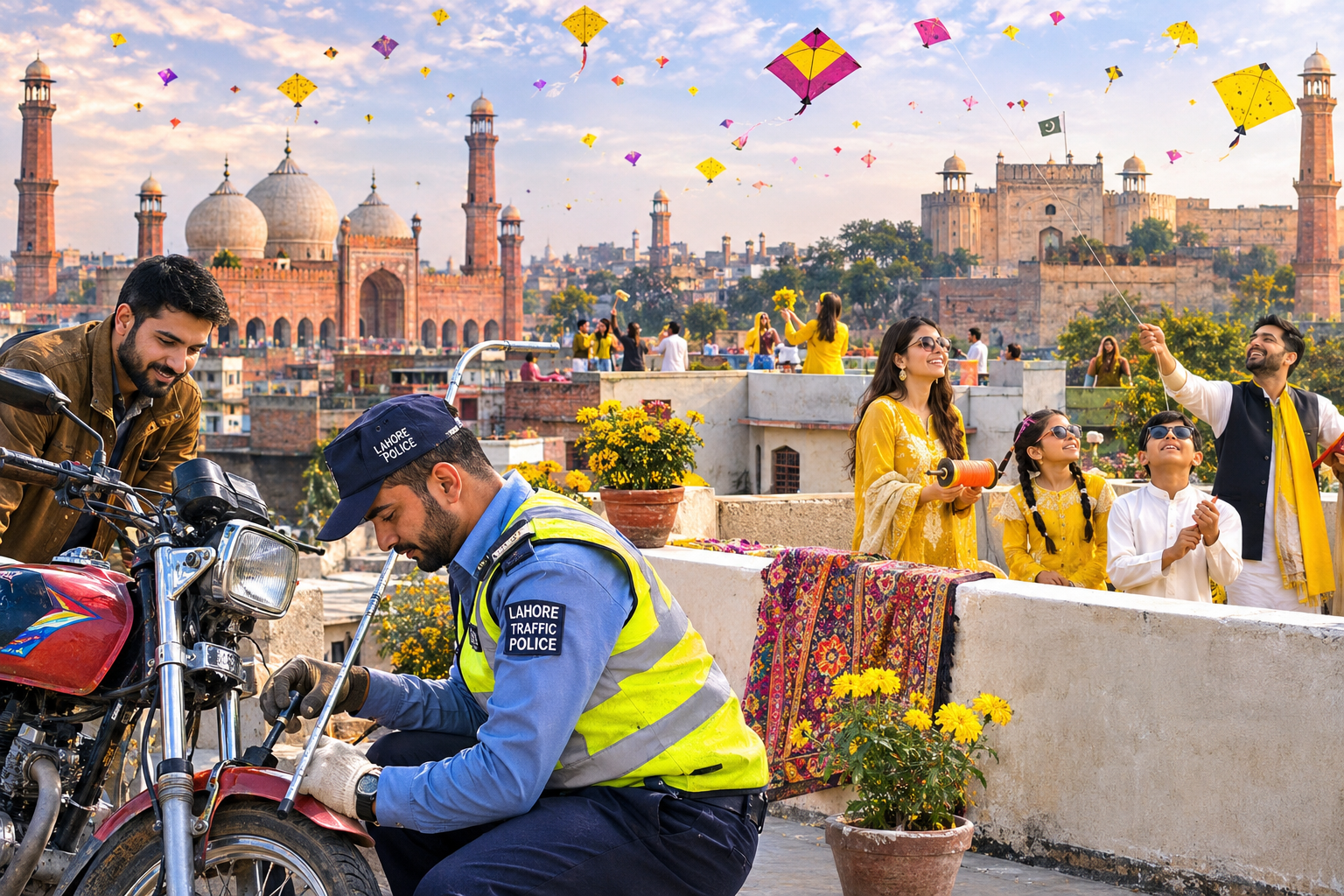
LAHORE, November 27, 2026: The Punjab government has reaffirmed that Lahore will celebrate its traditional Basant festival on March 12, 13 and 14, 2027, under a comprehensive regulatory and public safety framework aimed at preserving the city’s cultural heritage while protecting human lives.
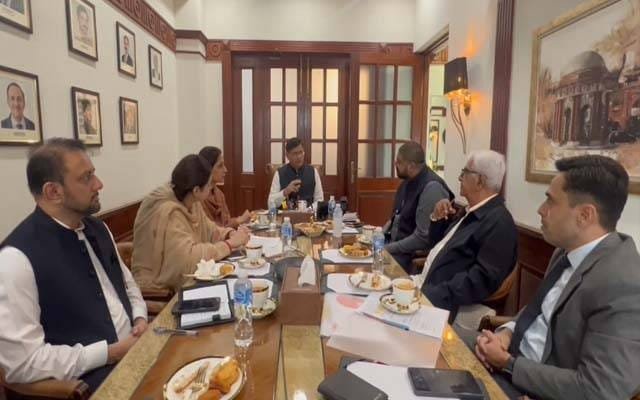
Punjab Home Secretary Dr Ahmad Javed Qazi chaired an important meeting at the Punjab Home Department on Friday to review administrative, security and operational preparations for Safe Basant 2027.
Special Secretaries Home Zainab Khan and Faisal Fareed, Additional Secretary Home Babar Sahib Din, Additional Secretary Internal Security Javeria Maqbool, Deputy Commissioner Lahore Muhammad Ali Ijaz and other senior officials attended the meeting.
Free Safety Rods for Over Two Million Motorcycles
In one of the most significant public safety initiatives ahead of the festival, the Lahore City Traffic Police will install protective safety rods free of cost on more than two million motorcycles.
The initiative is intended to protect motorcyclists and pillion riders from hazardous kite strings, which historically remained among the primary safety concerns associated with Basant celebrations.
Mandatory Rooftop Safety Arrangements
The Punjab Home Secretary directed that all rooftops intended for kite-flying activities must have structurally sound protective walls measuring at least 3.5 feet in height by December 31, 2026.
Kite flying will not be permitted on rooftops that fail to meet the prescribed safety standards or are declared structurally unsafe.
Deputy Commissioner Lahore Muhammad Ali Ijaz has been directed to conduct comprehensive inspections of rooftops, particularly those belonging to older buildings and residential properties.
Property owners will be responsible for ensuring the structural stability of their buildings and addressing safety risks associated with nearby electricity wires.
The deputy commissioner will also have the authority to seal buildings found violating government safety requirements.
Strict Regulation of Kite Manufacturing and Sales
The district administration has been directed to closely monitor the production, transportation, distribution and sale of kites and kite strings.
Under the official notification issued by the Lahore deputy commissioner on October 23, 2026, the government has established a phased schedule for the kite-flying industry:
- Manufacturing: September 5, 2026, to March 14, 2027.
- Trade, transportation and storage: February 1 to March 14, 2027.
- Retail sales to the public: February 10 to March 14, 2027.
- Permitted kite-flying dates: March 12–14, 2027.
Only authorised and registered businesses will be allowed to operate within the prescribed regulatory framework.
Metallic, chemical-coated and other hazardous kite strings, nylon strings and traditional prohibited spools will remain banned.
Kite Flying Prohibited Near Lahore Airport
To ensure aviation safety, kite-flying activities will remain prohibited in designated areas along aircraft approach and departure routes, including parts of DHA Lahore, Nadirabad, Nishat Colony, Bhatta Chowk, Al-Faisal Town and Tajpura.
The permission to celebrate Basant does not extend to the entire province, and kite flying outside the officially designated dates and permitted locations will remain prohibited.
Heavy Penalties for Violations
According to previously announced Home Department guidelines, kite flying outside the permitted dates may result in imprisonment of up to five years and a fine of Rs2 million.
Unauthorised manufacturing, transportation or sale of kite-flying materials may attract imprisonment of up to seven years and a fine of Rs5 million.
Citizens have been encouraged to report illegal or unsafe activities through Police Emergency Helpline 15.
Preserving Lahore’s Cultural Heritage
For generations, Basant remained one of Lahore’s most celebrated cultural traditions, transforming the city’s historic rooftops and neighbourhoods into vibrant displays of colourful kites, traditional festivities and social gatherings.
However, serious public safety concerns led to restrictions in 2007. The festival returned in 2026 following nearly two decades of restrictions and the introduction of a revised legal and regulatory framework.
The 2027 celebrations represent another major opportunity for Lahore to revive its traditional spring festival, support local businesses, promote cultural tourism and preserve its distinctive identity.
The success of the festival, however, will depend on effective enforcement, responsible public participation and coordination among government departments.
The Punjab Home Secretary reiterated that the protection of human lives and property would remain the government’s foremost priority throughout the celebrations.